
Board of Directors

FOTO ROSSI NEW

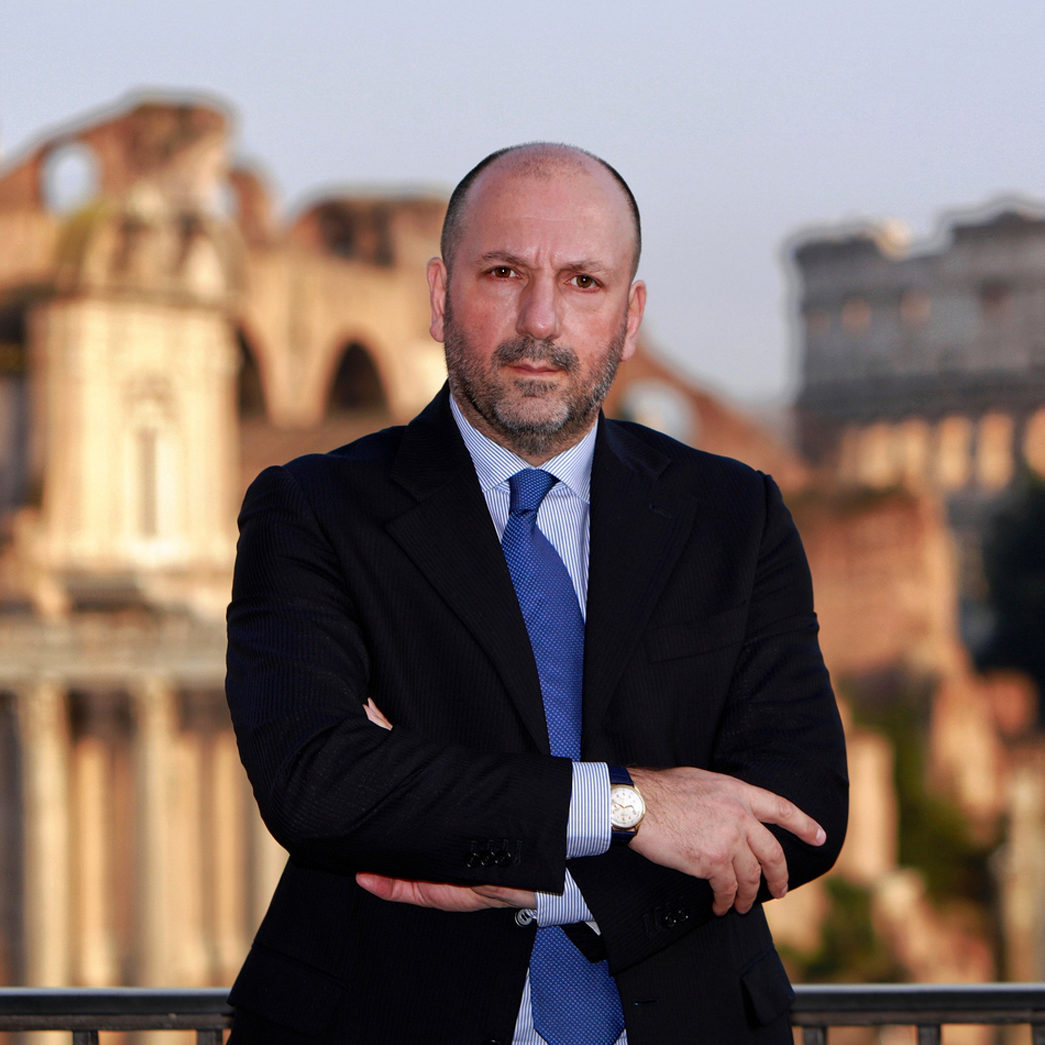
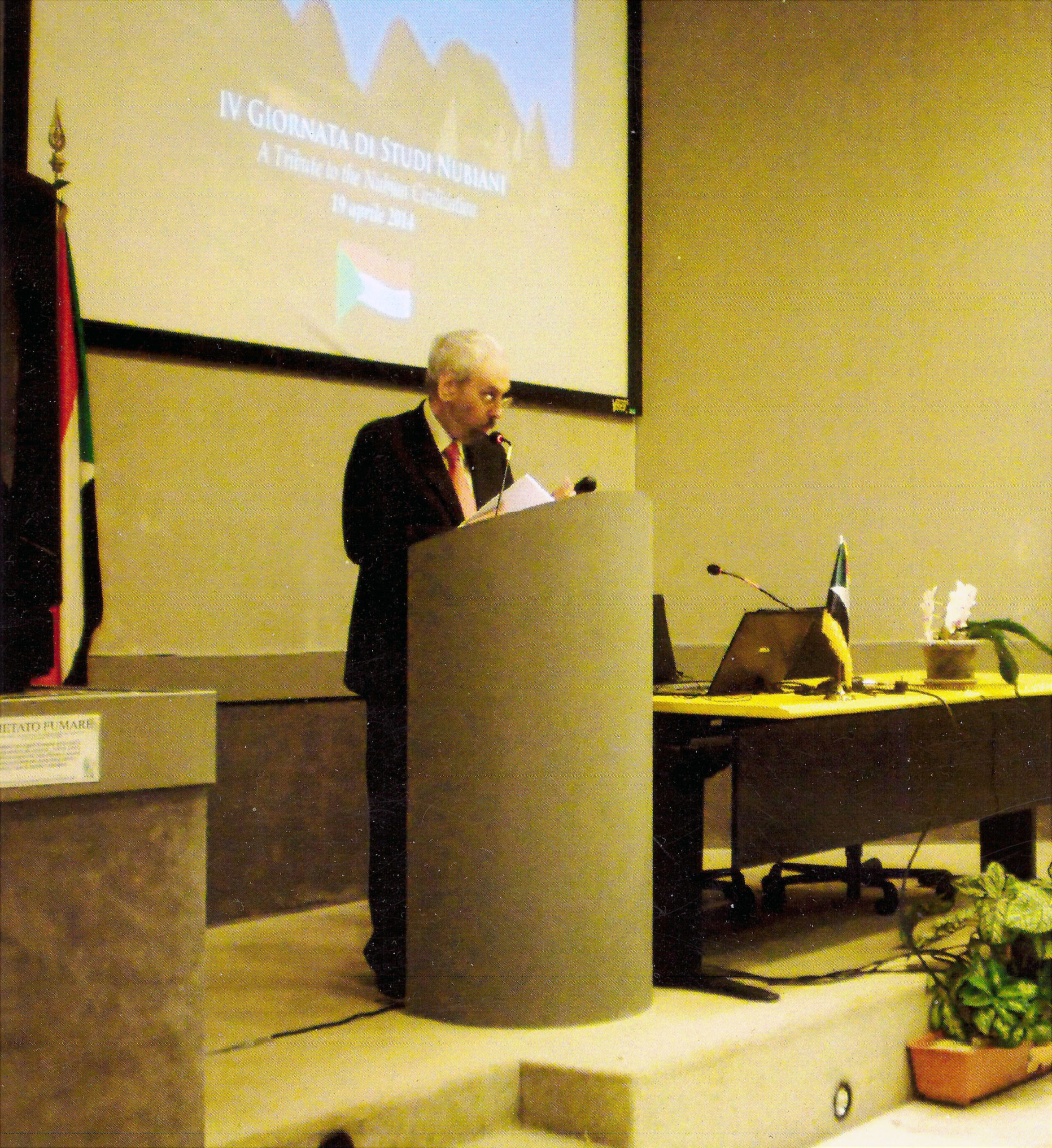
Adriano Valerio Rossi

President

Adriano Valerio Rossi (Rome, 1947) is an Italian linguist, philologist and Iran specialist.


Professor of Iranian Philology at the University of Naples “L’Orientale” and active in Italian research into Iranian languages. He studied the languages, history and civilization of the ancient and modern Near East at the University of Rome under A. Bausani, A. Pagliaro, W. Belardi, G. Cardona, S. Moscati, G. Castellino, M. Liverani, G. Garbini, S. Mazzarino and G. Pugliese Carratelli, simultaneously acquiring extensive training in classical and philosophical studies. In 1980 he was appointed assistant professor, and in 1983 full professor, of Iranian Linguistics, and then Iranian Philology, at the University of Naples “L’Orientale”. He directed the Asian Lexicography Centre of the Italian Institute for the Middle and Far East (later the Italian Institute for Africa and the East) from 1984.


In connection with his interest in the Balochi language, in the 1980s he was director of a PRIN (Progetto di Rilevante Interesse Nazionale) programme on Iranian Ethnolinguistics, the first of these projects in the field of ethnolinguistics. He directs an international project that aims to print the first etymological dictionary of the Balochi language (Etymological-Comparative Dictionary of the Balochi Language) and is the founder and director of the [Newsletter of] Balochistan Studies. Since 1998 he has directed as Principal Investigator 6 PRIN programmes on topics concerning Iranian linguistics (Balochi etymology and Iranian fables) and ancient Persian epigraphy. He has worked (with over 150 publications) on historical and descriptive (ethno)linguistics (Ancient Persian, Elamite, Parthian, Middle Persian, Sogdian, Kurdish, Balochi, Farsi, Brahui, Urdu) and the political history of the Indian subcontinent and East Asia. Since the early 2000s he has directed the international DARIOSH project (= Digital Achaemenid Royal Inscriptions Open Schema Hypertext) for digital archiving and a new edition with commentary of the royal Achaemenid inscriptions.


He was director of the Asian Studies Department (1987-1988), dean of the Letters and Philosophy Faculty (1990-1992), vice-rector (1987-1988) and rector (1992-1998) of the Naples “Orientale”, where he is currently president of the teaching staff, and where he directs doctoral research on Turkey, Iran and Central Asia. He represented Italy in the Asia-Europe Foundation (ASEF) from its foundation (1997) to 2004.  He is a member of the specialist boards of periodicals and monograph series, including Acta Iranica (Leuven, Peeters), Iran & the Caucasus (Leiden, Brill), Ancient Iranian Studies Series (Centre for the Great Islamic Encyclopaedia, Tehran), Balochistan Review (Quetta), Middle Persian Dictionary Project (Jerusalem), Annali Serie Orientale (Oriental Series Annals: Asia, Africa and Mediterranean Department, Naples “Orientale”), Scritture di storia (Historical Writings: ESI, Naples) and Mezzogiorno e Europa (Southern Italy and Europe: Naples), as well as specialist academies and societies, among which the Accademia nazionale dei Lincei and the Balochi Academy (honorary member). From 11thMarch 2016 he has been president of ISMEO – International Mediterranean and Oriental Studies Association (Associazione Internazionale di Studi sul Mediterraneo e l’Oriente: the “New ISMEO”), based in Palazzo Baleani, Rome.
5 Mastrobuoni foto

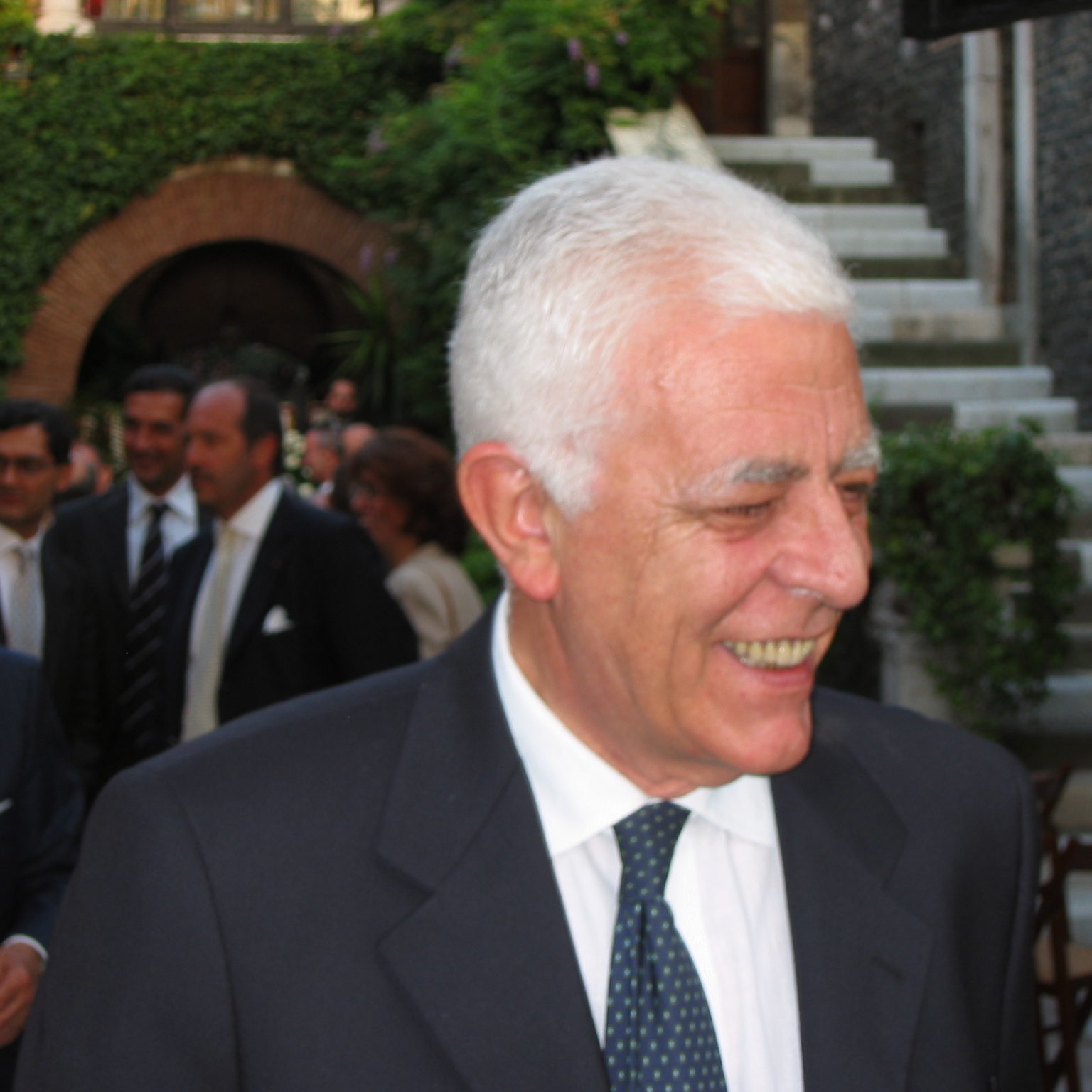
Pio Mastrobuoni

Vice-President

Born in Latronico (Province of Potenza). Degree in law from the University of Naples “Federico II”. Professional journalist. Brussels ANSA correspondent from 1967 to 1975, then special foreign policy envoy of the same agency until 1989. From then until 1992, spokesman of the 5-party government (DC, PSI, PSDI, PLI and PRI) led by Giulio Andreotti. Council of Ministers Presidency representative on the board of IsMEO. Member of the IsIAO board of directors, appointed vice-president in 2008. Author of numerous articles and essays, he has published among others Cento punture di spillo, (Rome, Memori 2005) and The Islamic Kaleidoscopeon Islamic fundamentalism (Il caleidoscopio islamico, Rome, IsIAO 2006).

Foto Anna Filigenzi

Anna Filigenzi

Vice-Presidente

Anna Filigenzi is Associate Professor, Art History and Archaeology of India at the University of Naples “L’Orientale”. Since 1984 she has been a member of the Italian Archaeological Mission in Pakistan and since 2003 director of the Italian Archaeological Mission in Afghanistan. She is the author of numerous publications on the archaeology and art history of the Indian subcontinent and Central Asia, disciplines which she also teaches. Fields of research: Buddhist iconography and architecture, especially of the Gandharic and post-Gandaric periods; cultural contacts between northern Pakistan, Kashmir, the Western Himalayas and Xinjiang, with particular regard to the development and circulation of forms of visual art and the interconnections between religious culture, politics and civil society.

Foto Sergio Ferdinandi

Sergio Ferdinandi

Vice-Presidente

Sergio Ferdinandi (Sedan 1963) has a degree in Christian Archaeology and masters in Medieval Archaeology and Topography from the University of Rome “La Sapienza”. General manager in the Ministry of Foreign Affairs and International Cooperation, during his career he served in the General Defence Staff and the Presidency of the Council of Ministers, holding positions in the government’s Legal and Legislative Affairs Department and the cabinet of the Public Function Ministry. Specialist in Crusader and Byzantine oriental archaeology and military architecture, he is the author of numerous publications. He has participated with “La Sapienza” and the Cultural Heritage Ministry in numerous archaeological excavation, investigation and survey projects in Europe and Middle East. A lecturer and frequent speaker at national and international conferences, he is a specialist on the Italian National UNESCO Commission and a member of various international archaeological societies and institutions. Since 2019 is a member of the Consiglio Superiore per i beni e le attività culturali e paesaggistici of the Ministry of Cultural
Heritage and Activities and Tourism.

Foto AM

Andrea Manzo

Vice-Presidente

Andrea Manzo is professor of Ethiopian and Nubian archaeology and ancient history at the Dipartimento Asia, Africa e Mediterraneo of the Università degli Studi di Napoli “L’Orientale”, that he chaired from 2020 to 2023. He got the Certificat International d’Archéologie Africaine in the Université Libre de Bruxelles in 1991 and a scholarship from the Consiglio Nazionale delle Ricerche from 1992 to 1993. He got his PhD from the Istituto Universitario Orientale in 1998. In 2003 he was awarded the prize Giorgio Maria Sangiorgi for the history and ethnography of Africa by the Accademia Nazionale dei Lincei. Since 2018 he is a member of the Board of the International Society of Nubian Studies. He is directing the Archaeological Expeditions of “L’Orientale” and ISMEO in Egypt and Sudan and codirecting the one in Ethiopia with Luisa Sernicola. His research focus on: cultural and economic interactions in ancient northeastern Africa; origins and development of social hierarchy in ancient northeastern Africa; adoption and adaptation of iconographies, styles and ideological exogenous traits in ancient northeastern Africa; peopling and history of the peripheric regions, with specific reference to the Eastern Desert and to the Red Sea coastal areas; man-environment dynamics and the emerging of social hierarchy in ancient northeastern Africa. He authored more than one hundred fifty publications. They range from Nubian and Ethiopian to Egyptian archaeology, also touching the computer applications to archaeology (see Academia.edu; Researchgate.net, and UNORA-Iris, the research catalogue of the Università degli Studi di Napoli L’Orientale).

5 : 7 Querformat

Alessandro Bausi

Alessandro Bausi (1963) is Full Professor of Semitic Studies – Languages and Literatures of Ethiopia at Sapienza University of Rome, a position he has held since 2023. A graduate of the University of Florence, he received his PhD from the Istituto Orientale in Naples. He taught at the University of Naples “L’Orientale” and, from 2009 to 2023, was Professor of Ethiopian Studies at the University of Hamburg. A specialist in the textual and manuscript traditions of Ethiopia and Eritrea, his research focuses in particular on scribal, linguistic and literary history, epigraphy, canonical, hagiographic and liturgical collections, and textual criticism. He has directed the Encyclopaedia Aethiopica and major international projects, including “Comparative Oriental Manuscript Studies” and the ERC Advanced Grant “TraCES”. He is currently Scientific Director of the “Beta maṣāḥǝft” project of the Hamburg Academy of Sciences and Humanities. He was also editor of the journal Aethiopica and several specialist series. A member of numerous scholarly institutions, he belongs, among others, to the Academia Europaea, the Accademia Ambrosiana, the Ethiopian Academy of Sciences, and the Accademia Nazionale dei Lincei.

Foto sito ISMEO

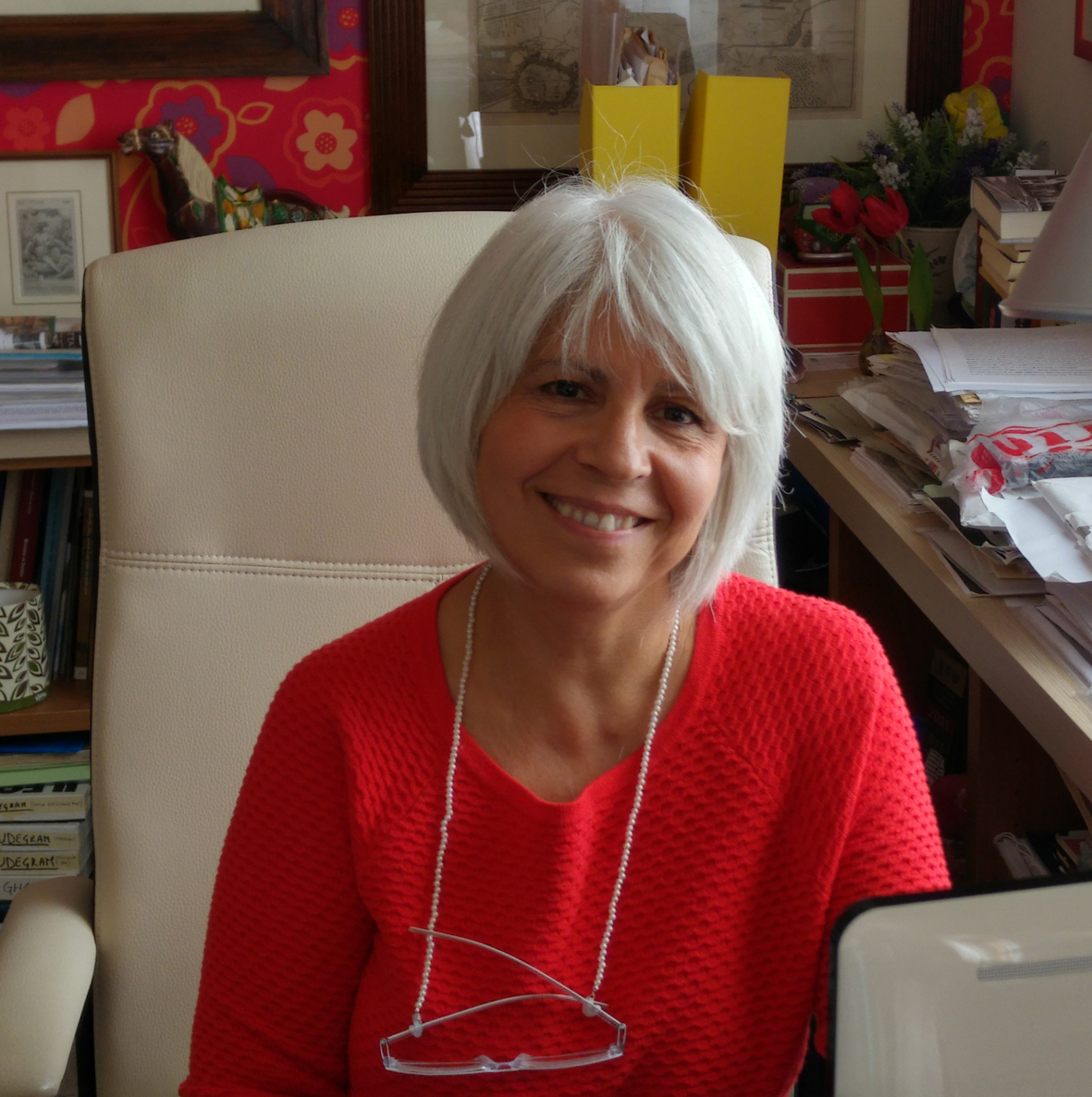
Michela Clemente

Michela Clemente is a Tibetologist, currently working as a researcher at the Department ISO – Italian Institute of Oriental Studies (“Sapienza” University). From 1998 to 2011 she collaborated with IsIAO. Since 2017 she has worked at the re-opening of the “IsIAO Library” – African and Asian Collections Room (National Central Library of Rome), and she is currently the Scientific Responsible of the Tucci Tibetan Collection. Since 2010 she has collaborated with the Mongolia and Inner Asia Studies Unit (MIASU, University of Cambridge). In 2013 she was awarded with the Marie Skłodowska Curie Fellowship for her project Tibetan Book Evolution and Technology (TiBET). She was the co-curator of the exhibition Buddha’s Word: The Life of Books in Tibet and Beyond (Museum of Archaeology and Anthropology, University of Cambridge). She is currently an affiliated researcher at MIASU and a Life member of Clare Hall (University of Cambridge). Since 2019 she teaches at the Central Institute for Archives and Book Pathology (ICPAL). She has published extensively on Tibetan book culture, history and literature and is currently involved in several projects with different institutions.

CZ

Chiara Zazzaro

Chiara Zazzaro is Associate Professor of Maritime Archaeology at the University of Naples L’Orientale, where she teaches Maritime and Underwater Archaeology and Maritime Archaeology of the Indian Ocean. She graduated in 2002 and received her PhD in 2006 from the same university, and subsequently carried out research at the University of Exeter within the MARES project. From 2014 to 2018, she led the “Archaeology and Ethnography of the Red Sea” project, funded through the Rita Levi Montalcini programme. Her research focuses on the maritime archaeology and ethnography of the Red Sea and Indian Ocean, with particular attention to ancient and traditional shipbuilding techniques, shipwrecks, ports, and maritime communities. She has conducted fieldwork in Egypt, Eritrea, Saudi Arabia, Yemen, Qatar, Djibouti, and Indonesia, taking part, among other projects, in the excavations at Mersa/Wadi Gawasis and Adulis. She also coordinates the “Indonesian Endangered Boatbuilding Heritage” project and underwater archaeological research in the Gulf of Naples. She is the author of numerous studies and of the volume Archeologia e Etnografia Marittima. Metodi e tecniche (2017).

Alessandro Taddei foto

Alessandro Taddei

Alessandro Taddei (born Rome, 1974) is an associate professor of Byzantine art history at Sapienza University in Rome (2018-). He also taught Byzantine art history at the Universities of Urbino and Bologna-Ravenna (Italy). From 2016 to 2018, he fulfilled the role of Assistant Professor of Medieval and Byzantine Art at Masaryk University in Brno, Czech Republic. He studied Byzantine archaeology and art history. He obtained a PhD in Late Antique Archaeology from the University of Naples ‘L’Orientale’ in 2004. From 2006 to 2007, he held a postdoctoral fellowship at the Italian Archaeological School of Athens (SAIA). He later discussed a second doctoral dissertation in Medieval Art History at Sapienza University in Rome (2012). From 2019 to 2021, he was a member of the Italian archaeological mission team in Elaiussa Sebaste (Ayaş, Mersin, Turkey). He is currently P.I. of a project entitled Hosios Loukas in Greece. Architecture and sacred space from a macro-regional perspective. His research interests include the urban topography and architecture of the late antique and early Byzantine periods (4th to 8th centuries). His recent studies and contributions have focused primarily on the architecture across the territories of Greece, Constantinople and Asia Minor. Among his publications is a comprehensive monograph (2017) about the early (pre-Justinianic) phases of Hagia Sophia in Constantinople.

Margherita Mussi foto

Margherita Mussi

Margherita Mussi, formerly Professor of Prehistory and Protohistory at Sapienza University of Rome, is a specialist in African prehistoric archaeology. Since 2011, she has directed the Italian-Spanish Archaeological Mission at Melka Kunture (Ethiopia), a vast complex of sites dating from around 2,000,000 to 5,000 years ago, which was inscribed on the UNESCO World Heritage List in 2024. She has directed excavations at Palaeolithic and Mesolithic sites in Italy and has particular expertise in the earliest forms of prehistoric art. Her research has resulted in approximately 250 publications, including specialist volumes published in Italy and abroad and numerous articles in leading international journals, among them recent papers co-authored with her collaborators in Nature and Science. She is a member of the Editorial Advisory Board of the VERT – Vertebrate Paleobiology and Paleoanthropology series (Springer) and of the journals Origini and Complutum. She regularly participates in international conferences, evaluates research projects for international institutions, and acts as a reviewer for Italian and international scientific journals.

Milizia foto

Paolo Milizia

Paolo Milizia is Professor of Historical and General Linguistics in the Department of Asia, Africa and the Mediterranean at the University of Naples ‘L’Orientale’, where he teaches general and historical-comparative linguistics and has run a Coptic language workshop since 2021. He graduated in Classics, specialising in Classical Philology, from Sapienza University of Rome in 1998, obtained a PhD in Historical Linguistics and Philology from the University of Milan in 2003, and undertook a period of advanced study at the University of Freiburg im Breisgau in 2024. He worked as a researcher at the University of Cassino and the University of Naples ‘Federico II’, before becoming an Associate Professor at ‘L’Orientale’, where he has been a full professor since 2024. His research focuses primarily on Indo-European linguistics, particularly Old and Middle Iranian and Indo-Aryan languages, and on Coptic linguistics. In these fields, he has worked on etymology, phonology, morphology and writing systems. He has also studied theoretical linguistics (with particular emphasis on morphology), the history of linguistic thought and medieval Coptic-Arabic grammars. He is the author of the books Le lingue indoeuropee and L’equilibrio nella codifica morfologica (both published by Carocci), as well as numerous specialist studies.

Versione 2

Salvatore Morra

Salvatore Morra is currently British Academy post-doctoral fellow at the University of Cambridge, Faculty of Music, and Postdoctoral Research Associate of Trinity Hall college. Since 2024 he is the vice-chair of the ICTMD Study Group “Mediterranean Music Studies”, and co-founder with Dr. Kawkab Tawfik of the study group “Music in the Muslim Worlds” of the International Musicological Society (2025). His research focuses on musicological perspectives of Arabic music, interdisciplinary debates around post-colonial nationalism in the Maghreb and multiculturalism in the Mediterranean, including popular culture, liturgy, sound and media. As performer (guitar and oud), he has a longstanding interest in maqams, modal music and experimental improvisation. He is the co-founder of the Maluf System, a post-revival movement of Tunisian music, and the author of Maluf, Suoni dal Mediterraneo Arabo (2024).

cghidini

Chiara Ghidini

Chiara Ghidini is Associate Professor of Religions and Philosophies of East Asia at the University of Naples L’Orientale. After graduating from the University of Naples L’Orientale under the supervision of Professor Silvio Vita, she was awarded a postgraduate scholarship to study under Professor Antonino Forte at ISEAS (Italian School of East Asian Studies) in Kyoto. She obtained a Master’s degree in Premodern Japanese Studies from Gakushuin University in Tokyo and a PhD from the University of Cambridge. Her research focuses on cultural and religious history in East Asia, particularly Japan, on the construction of antiquity in nineteenth- and twentieth-century Japan, and on the reception of ancient Greek history in Japan. Together with Professor Luca Arcari (University of Naples “Federico II”), she co-edits the “Forma Aperta” series published by L’Erma di Bretschneider. A full list of her publications is available on UNORA-Iris.